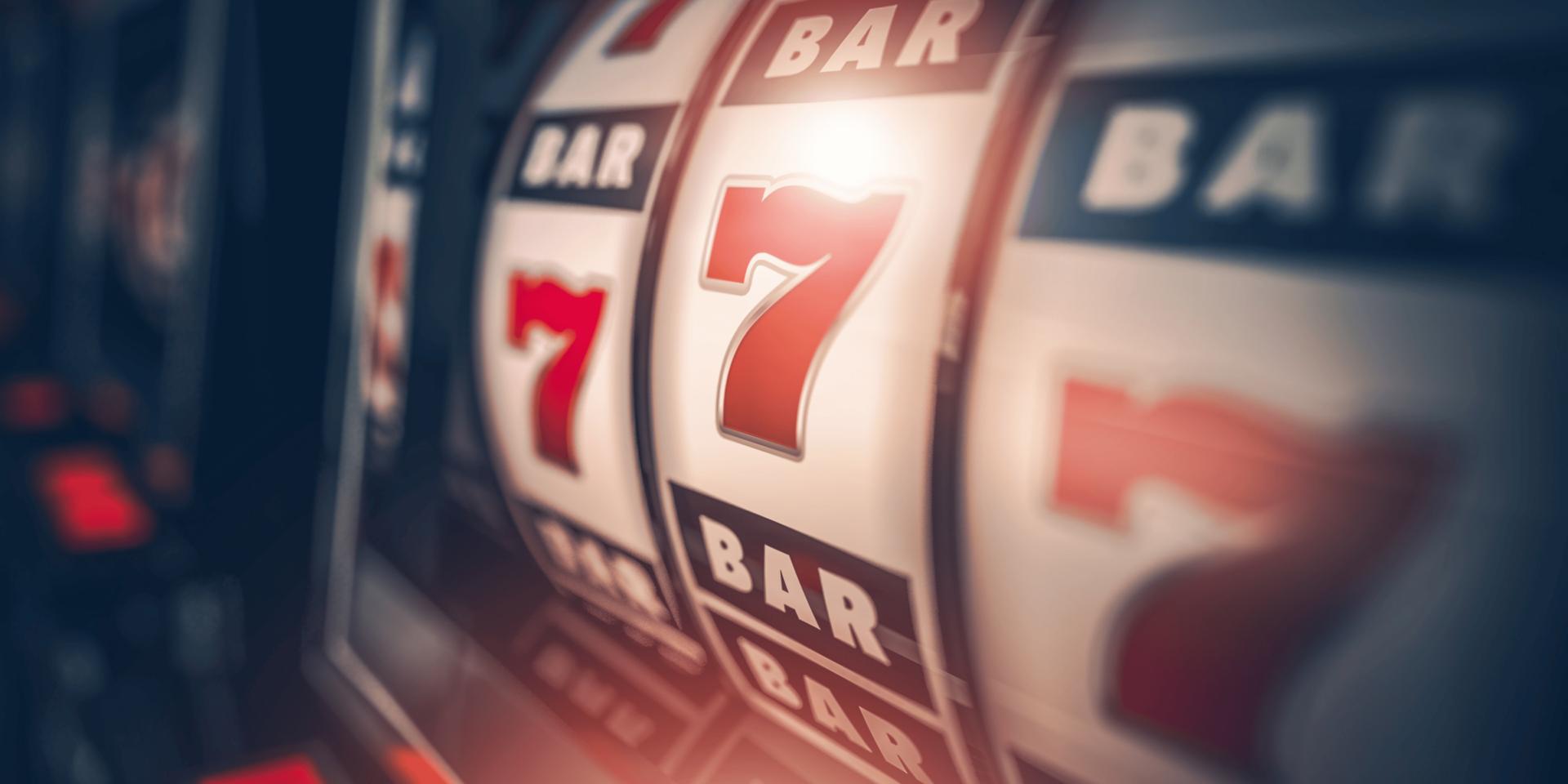
Slot Machines and the Science of Engagement
Slot machines are designed with precision to capture attention and sustain play. Every element, from the spinning reels to the sound effects, is carefully engineered to stimulate the brain. Players are drawn in by this combination of design and psychology, which makes slots one of the most enduring forms of gambling. A player sitting in front of a machine sees flashing lights, hears the sound of coins dropping, and feels a wave of anticipation with each spin, reinforcing the desire to continue.
The Role of Reward Systems in Slot Play
The most powerful psychological trigger in slot machines is the reward system. Slots rely on intermittent reinforcement, where wins appear unpredictable and irregular. This randomness activates the brain’s reward pathways, creating excitement and reinforcing behavior. A player may sit at a machine for hours, waiting for the next payout, because the unpredictability keeps the brain engaged. The expectation of a possible win is enough to encourage repeated spins even after multiple losses.
Sensory Stimuli That Enhance the Experience
Sound, light, and motion are central to the psychology of slot machines. Bright colors and celebratory noises accompany wins, no matter how small, creating a sense of achievement. The machine celebrates each result with stimulating cues, which convince players that progress is being made. In a realistic scenario, a player taps the spin button, watches reels flash with vibrant patterns, and hears an upbeat jingle even on a minor return, making it harder to step away from the machine.
The Illusion of Control and Player Behavior
Slot machines often give players the impression that skill influences the outcome, even though the results are entirely random. Features like “stop” buttons or nudges create the sense of control. A player pressing a button at the right moment might feel responsible for a near win, believing their action made a difference. This illusion strengthens engagement because the player feels involved in shaping outcomes, even when chance dictates the results.
Near Misses and Their Psychological Effect
One of the most studied features of slot machines is the near miss. When symbols stop just short of a winning combination, the brain interprets the outcome as progress toward success. In practice, a player watching reels stop just one symbol away from a jackpot feels a surge of motivation to keep playing. The near miss creates the perception of being close to winning, which fuels persistence and encourages longer sessions.
The Power of Habit Formation in Slot Gaming
Slot machines encourage habits by linking play with regular routines. A player who visits a casino after work may sit at the same machine, spin for an hour, and leave feeling satisfied regardless of outcome. Over time, this habit becomes ingrained, as the machine provides consistent stimulation. The predictability of the experience, combined with unpredictable rewards, strengthens behavior and keeps players returning. Habit formation ensures that slot play becomes a steady activity rather than an occasional indulgence.
Monetary Denomination and Perceived Value
Casinos use denomination settings to influence how players perceive their spending. A slot machine may allow bets of small amounts, which makes losses feel insignificant, even though they add up over time. A player feeding small credits into a machine may underestimate the total amount wagered during a session. This perception keeps the focus on entertainment rather than cost, which extends playing time. The design ensures that the flow of play remains continuous while spending feels minimal.
Time Distortion and the Slot Machine Environment
Slot machines are designed to make players lose track of time. Casino floors rarely include clocks, and the immersive nature of slots means players become absorbed in the rhythm of spinning reels. A person seated at a machine might feel that only minutes have passed when in reality hours have gone by. This distortion keeps players engaged far longer than intended, reinforcing the role of the machine as both entertainment and psychological influence.
Digital Slots and the Extension of Psychological Design
The rise of online and mobile slots extends the same psychological strategies into digital spaces. Mobile apps recreate the sensory experience of casino slots with similar sounds, visuals, and reward cycles. A player logging into a mobile app on a commute may feel the same stimulation as sitting in front of a physical machine. The portability of digital slots increases accessibility, allowing players to engage more frequently while still experiencing the same psychological effects.
Why Slot Machines Remain Dominant in Gambling
Slot machines dominate casinos because their design effectively blends entertainment and psychology. They appeal to both casual and committed players by offering simple mechanics alongside deeply engaging reinforcement systems. A player seated at a machine experiences a carefully structured mix of anticipation, reward, and immersion that keeps them engaged longer than other forms of gambling. This dominance shows no sign of fading, as both physical and digital slots continue to attract consistent participation.