Casino Aesthetics and the Psychology of Design
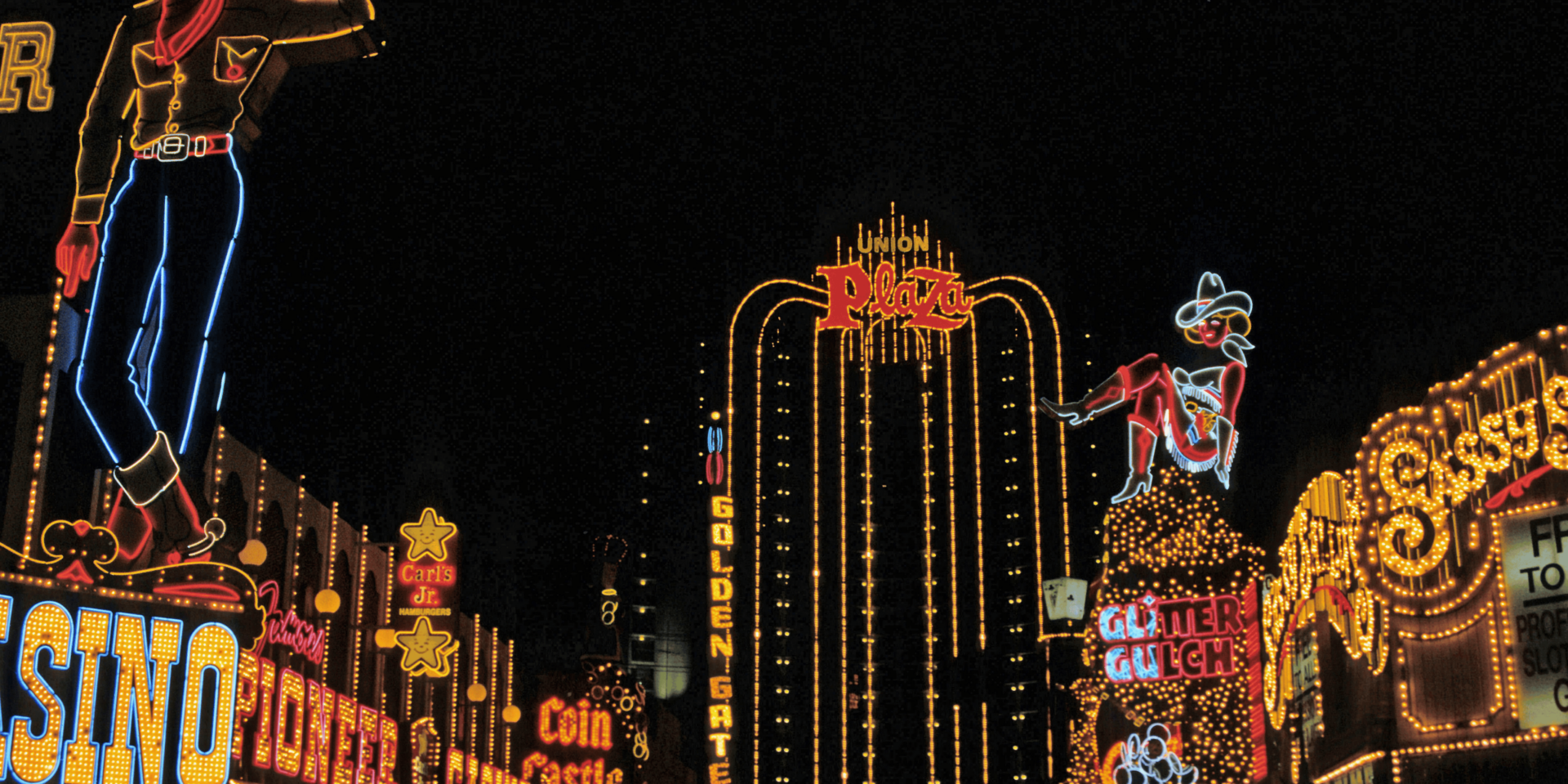
Casino aesthetics influence player behavior by shaping perception, mood, and decision-making. Every detail—from lighting to layout—is engineered to keep players engaged. The glowing neon signs, mirrored ceilings, and patterned carpets are not decorative choices alone; they are strategic design tools. A player stepping onto the casino floor immediately senses an atmosphere that pulls attention toward the games, reducing awareness of time and encouraging extended play.
The Impact of Lighting on Player Decisions
Lighting plays one of the most critical roles in casino design. Bright neon signs highlight entrances, while softer glows illuminate gaming areas to create comfort. Lighting directs focus and manipulates mood, keeping players alert yet relaxed. In a realistic scenario, a player entering a slot section sees machines bathed in warm light that contrasts with the surrounding shadows. The glow makes the machines stand out, drawing the player closer and encouraging interaction without conscious thought.
Color Schemes and Emotional Influence
Color psychology is deeply embedded in casino aesthetics. Designers use bold reds, golds, and deep blues to evoke excitement, luxury, and trust. These color choices are carefully placed across slot machines, table layouts, and promotional banners. A player walking across a casino floor notices the dominance of red and gold in signage, subconsciously associating the experience with energy and reward. The deliberate use of color keeps emotions heightened and reinforces the sense of possibility.
Soundscapes That Enhance Engagement
Sound design is as important as visual design in shaping player behavior. Casinos use background music, machine jingles, and crowd noise to maintain a dynamic environment. A player sitting at a slot machine hears celebratory tones every time a spin lands on a win, no matter how small. This constant audio stimulation creates a perception of frequent success across the floor. Even when losses occur, the soundscape convinces players that activity is vibrant and winning is always within reach.
Casino Layout and the Flow of Movement
The layout of a casino is carefully planned to control player movement. Machines and tables are positioned in ways that guide players deeper into the venue. Narrow pathways, circular floor plans, and strategically placed attractions reduce direct exits, making it harder to leave. A player walking toward the restroom may pass multiple banks of machines, each glowing with lights and pulsing with sound. The exposure increases the chance of stopping to play, turning movement into opportunity for engagement.
The Role of Décor in Creating Atmosphere
Décor adds another layer to casino aesthetics by reinforcing themes of luxury, fantasy, or adventure. Chandeliers, plush carpets, and elaborate wall art immerse players in an environment that feels separate from ordinary life. A player entering a themed casino lobby may find themselves surrounded by grand architecture, immediately transported into a setting designed for escape. This shift in environment primes the mind for risk-taking by reducing connection to outside concerns.
Digital Aesthetics in Online and Mobile Casinos
Online and mobile platforms replicate physical casino aesthetics through digital design. Virtual slot machines use bright animations, flashing lights, and celebratory sounds to mimic the physical experience. A player opening a mobile app at night sees reels glowing against a dark background, replicating the feeling of neon lights inside a land-based casino. The digital environment extends the same psychological triggers into virtual spaces, ensuring continuity of influence regardless of platform.
Time Distortion Through Environmental Control
Casino aesthetics also manipulate perception of time. The absence of clocks and windows creates a continuous cycle of activity where day and night blur together. A player seated at a table for hours may believe only minutes have passed. Controlled lighting and nonstop stimulation remove cues that normally mark the passage of time, encouraging longer sessions and increased engagement. This manipulation of environment ensures focus remains on gameplay rather than external schedules.
Social Atmosphere and the Role of Aesthetics
Aesthetics contribute to the social energy of casinos. Crowded tables, flashing lights, and celebratory sounds create the perception of shared success. A player joining a craps table may hear cheers erupt as dice land, reinforcing the excitement of group participation. The environment creates a sense of belonging, where individual wins feel magnified by the collective atmosphere. This social reinforcement keeps players invested and ties enjoyment to the overall design of the space.
How Aesthetics Sustain Player Loyalty
The combination of lighting, color, sound, and décor builds more than momentary excitement—it fosters loyalty. Players associate specific environments with positive emotions and return to relive those experiences. A player who spends a night in a visually striking casino may later choose to return not only for the games but for the atmosphere itself. The aesthetic identity becomes part of the brand, ensuring long-term connections between player and venue.
The Future of Casino Aesthetics
The evolution of casino aesthetics now extends into advanced technologies like augmented reality and virtual reality. Designers are experimenting with digital overlays that combine real and virtual environments, making experiences even more immersive. A player using VR at home might step into a virtual casino floor with neon lights and atmospheric sound that mirror real-world spaces. The future of casino aesthetics lies in creating seamless transitions between physical and digital environments, maintaining the same influence on behavior regardless of setting.